When Large-Count Candy Boxes Are Actually Worth It
Quick answer: Large-count candy is not automatically the smarter buy. I use it when the format solves a real sharing or repeat-snacking problem, and I skip it when a smaller pack would teach me more.
The Bigger Box Is Not Automatically the Better Buy
I like a big candy box when it earns the space. I do not like it when it becomes a guilt purchase: too many pieces, one flavor, and a cabinet shelf slowly turning into a museum of good intentions. That is the trap with large-count candy boxes. The number on the front looks practical, but the real value depends on how the candy will be eaten.
For me, a bigger count makes sense when the product solves one of three problems. It makes sharing easier. It gives you repeat snacks without constant reordering. Or it turns one proven flavor into a cleaner party, office, or family setup. If it does not do at least one of those things, I would rather buy a smaller format and keep the order more interesting.
I also care about confidence. If I have already watched people reach for a candy twice, the larger count stops feeling risky. If I am guessing from packaging alone, I want less volume and more room to learn. That is not fancy buying strategy. It is just being honest about how candy disappears in a real kitchen, office, backpack, or party bowl.
That is why I am treating this as a value question, not a flex. A 20 piece box, 30 piece box, 40 piece bag, or 60 piece bag can be a sharp buy, but only when the format matches the job. The best large-count candy boxes are not just more candy. They are easier candy.
Shop the guide
 Reading When Large-Count Candy Boxes Are Actually Worth It? Start with De La Rosa Mazapán Original 30pcs, then keep building from the same flavor lane.
De La Rosa Mazapán Original 30pcs
Shop Mexican candy
Reading When Large-Count Candy Boxes Are Actually Worth It? Start with De La Rosa Mazapán Original 30pcs, then keep building from the same flavor lane.
De La Rosa Mazapán Original 30pcs
Shop Mexican candy
When More Pieces Actually Help
The first good reason to buy a larger count is predictable sharing. If ten people are reaching into a snack spread, a single bag of loose candy can disappear unevenly. The fast hands win, the hesitant person gets crumbs, and somebody has to explain why there are only three pieces left. Individually portioned candy is quieter. People can grab one, read the wrapper, and move on.
The second reason is repeatability. Some candy is not built for a dramatic first bite. It is built for the drawer, the counter, the front seat, or the little treat after dinner. That is where a count like 18, 20, 30, or 60 starts making sense. You are not paying for one wild moment. You are buying a format that can keep working for a couple of weeks if people actually like it.
The third reason is easier planning. If I need twelve favors, I do not want to discover that the package only gives me nine usable pieces. If I am setting out candy for a small party, I want to know the count before people arrive. Larger boxes are strongest when the number saves decisions, not when it tempts me into buying more than the situation needs.
The fourth reason is portion control without making it feel clinical. I do not want candy that needs a spreadsheet. I want one wrapped piece, one little tray, one lollipop, one serving. A good large-count box gives you that built-in stopping point.
The Mazapan Test: Crumbly, Familiar, and Easy to Count
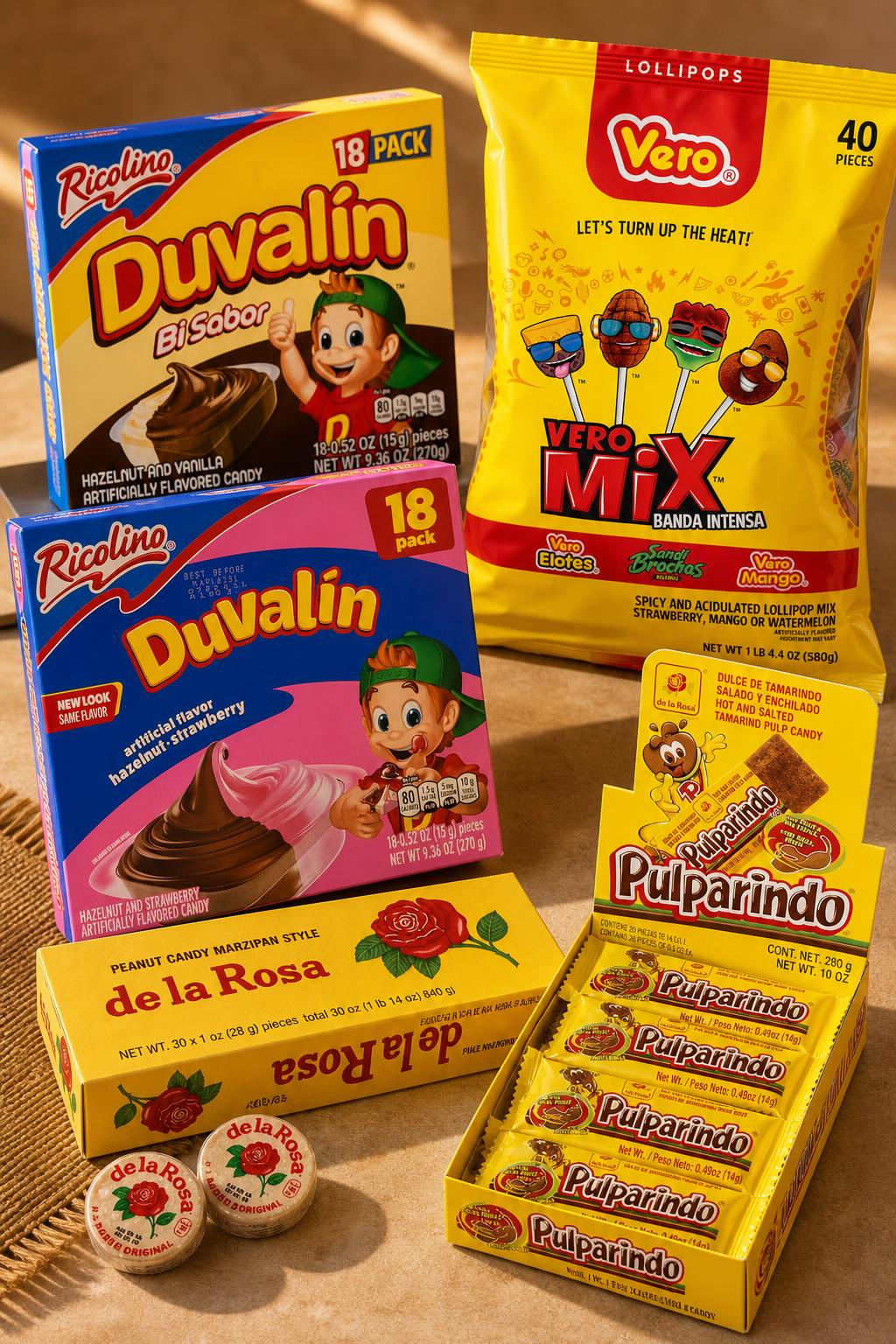
De La Rosa Mazapan Original 30pcs is the kind of large-count product that makes sense when you already know the room. Mazapan is crumbly, sweet, peanut-forward, and not trying to act like a sour challenge. It is not the candy I would use to surprise people who hate peanut texture. It is the candy I would use when I want a recognizable Mexican sweet that can be handed out piece by piece.
The value is in the clean count and the familiar role. Thirty pieces gives you enough for a family table, party favor bowl, office drawer, or repeat personal stash without needing to make every serving a production. The individual pieces also help because mazapan is delicate. You do not want to toss loose pieces around like hard candy.
Mazapan is also a good reminder that value is not always about loud flavor. Sometimes the useful product is the one people already understand. It can sit next to coffee, go into a favor bag, or work as the sweet option beside spicier candy. That quiet role matters.
My rule: buy the 30 count when you want a calm, shareable classic. Skip the big box if you are still deciding whether that dry, crumbly peanut texture is your thing.
Duvalin Is the Small-Treat Value Play
A product like Ricolino Duvalin Hazelnut-Strawberry 18pcs or Ricolino Duvalin Hazelnut-Vanilla 18pcs works differently from mazapan. Duvalin is a small spoonable candy cream, so the value is not just the count. It is the fact that each piece feels like its own little dessert.
This is where large-count buying gets practical. If you are serving people who do not want chile, tamarind, sour powder, or a loud texture, Duvalin gives you a softer landing. It is sweet, creamy, and easy to understand. The 18 count is enough to share without making the product feel endless.
The serving style matters too. Duvalin is not a rip-open-and-run candy. It asks for a tiny pause, which is exactly why it can feel more satisfying than the price suggests. One small cup can read as a treat instead of a handful, and that changes how quickly the box disappears.
I would not buy two Duvalin flavors just to pretend I created variety. They are still the same basic format. I would pick the flavor that sounds best, then pair it with a completely different texture in the same order. That is how a large-count box stays useful instead of taking over the whole snack shelf.
Quick cart path
Use these article picks as the buying shortcut instead of searching the whole store.
De La Rosa Mazapán Original 30pcs Ricolino Duvalin Hazelnut-Strawberry 18pcs
 Ricolino Duvalin Hazelnut-Vanilla 18pcs
Lollipops and Wrapped Pieces Make Groups Easier
For parties, counters, offices, and game tables, I trust wrapped pieces more than loose candy. Vero Mix Banda Intensa Lollipops 40pcs is a good example because the format naturally slows people down. A lollipop lasts longer than a quick gummy handful, and the stick gives people somewhere to hold it. That sounds basic, but basic is usually what makes a snack table work.
The same logic applies to Pulparindo Original 20pcs. It is individually portioned, it has a clear tamarind identity, and one piece feels like a complete snack. A 20 count is not huge, but it is enough to serve a group or keep a few rounds of snacking ready.
I also like that these formats make preference visible. Some people will reach for lollipops because they want something that lasts. Some people will choose Pulparindo because tamarind is the point. A larger count does not have to mean everyone eats the same way; it just has to make the choice easy.
This is where I care less about the biggest possible number and more about the piece itself. Forty messy pieces would not impress me. Twenty pieces that serve cleanly can be the better value.
The High-Count Bag Needs a Real Job
Beny Locochas Fresa Strawberry 60pcs is where I get more strict. Sixty pieces sounds fun, but a high count only works if the candy has a role. This is the kind of product I would buy for a share bowl, event setup, school-safe handout where allowed, or a snack drawer that gets real traffic. I would not buy it as a blind solo experiment unless I already knew I liked that style.
The risk with high counts is boredom. Not bad candy, just too much sameness. If every piece is the same flavor and texture, you need enough people or enough repeat demand to make the math work. Otherwise the box that looked efficient becomes the item everyone politely avoids after week one.
That is especially true with fruit-and-chile candy because people have different limits. One person treats it like an everyday snack, another wants only one piece, and a third person is still figuring out the flavor. A 60 count is useful when those people are already reaching for it, not when you are trying to persuade them.
So my high-count rule is simple: buy it when there is a known audience. If you are shopping for discovery, keep the count lower and spend the rest of the budget on contrast.
How I Decide Between One Big Box and a Mixed Order
I decide by asking what would annoy me after the order arrives. If the annoying part would be running out too fast, I buy the larger count. If the annoying part would be getting stuck with too much of one flavor, I buy fewer pieces and more formats. That one question cuts through most fake value thinking.
A big box is strongest when the candy is already proven, individually portioned, and easy to share. Mazapan, Duvalin, Vero lollipops, Pulparindo, and Locochas all have real use cases because the count lines up with how people actually eat them. They are not loose mystery piles. They have pieces, wrappers, cups, or sticks that help the candy behave.
I also look at flavor intensity. A creamy candy can usually support more repeat snacking than something extremely sour or spicy for a casual group. That does not make one better than the other. It just means the bold product needs a more specific audience before the bigger count makes sense.
A mixed order is stronger when you are still learning. If you are new to tamarind, chile, creamy candy, or Mexican lollipops, variety teaches you more than volume. Once you know the winner, that is when the bigger count starts looking smart.
The Honest SRC Value Rule
The honest answer is that large-count candy boxes are worth it when they remove friction. They make sharing cleaner, counting easier, gifting simpler, or repeat snacking less annoying. They are not worth it when they only make the product photo look more serious.
If I were starting from this group, I would pick one dependable large-count format first: De La Rosa Mazapan for classic sweet sharing, Duvalin for creamy low-drama treats, Vero lollipops for longer-lasting group snacks, Pulparindo for tamarind fans, or Locochas when there are enough people to justify the count. I would not buy all of them for the same tiny drawer unless I had a plan.
That is the point. Value is not the largest number of pieces. Value is buying the amount that will actually get eaten, shared, and enjoyed before it becomes background clutter. The bigger box wins only when the job is big enough for it.
Turn this read into a cart

Start with 6 linked picks from this guide, then add one safe pick and one discovery pick so the order has range.
Shop Mexican candyFeatured Products


Related Reads
- How to Choose Imported Candy When Labels Feel Unclear
- Game Night Candy That Won't Wreck Cards or Controllers
- Lucas Candy Formats Explained: Powder, Dip, and Squeeze
- How to Keep Opened Gummy Candy from Turning Sticky
Frequently Asked Questions
Are large-count candy boxes always cheaper?
Not automatically. A larger count is useful when you will actually use the pieces for sharing, repeat snacking, favors, or a snack drawer. If you only want one taste test, a smaller format can be the smarter buy.
What makes a large-count candy box worth buying?
I look for clear portioning, easy sharing, a format that stays useful after the first serving, and enough flavor appeal that the box will not sit untouched after the novelty wears off.
Which SRC large-count candy is easiest for a group?
Individually portioned options are easiest for groups. Boxes like Pulparindo Original, De La Rosa Mazapan, Duvalin, Vero lollipops, and Locochas keep serving simple because people can grab one piece.
Should I buy one big box or several smaller candies?
Buy one big box when you already know the flavor or need many pieces of the same style. Buy several smaller candies when the goal is discovery, comparison, or keeping a mixed group interested.
Are large-count boxes good for party favors?
They can be. The best party-favor choices are wrapped or single-serving pieces because they are easier to hand out, count, and set aside without turning the table into a messy pile.
How many large-count products should I order at once?
For a first order, I would start with one or two larger counts and add a few different formats around them. That gives you value without locking the whole order into one texture or flavor.
Save this guide for later