How Much Candy Do You Need for 10, 20, or 30 People
Quick answer: Group candy planning gets easier when you stop guessing by bag size alone. I would plan around guest count, eating pace, mess level, and whether the candy is meant for quick grabbing, slow eating, or a small surprise.
Start With People, Not Package Size
The fastest way to overbuy candy is to stare at a bag and guess from the photo. A bigger package can still disappear too fast if the pieces are tiny and everyone keeps reaching. A smaller box can last longer if the candy eats slowly or feels richer. So when someone asks me how much candy they need for 10, 20, or 30 people, I do not start with ounces. I start with the room.
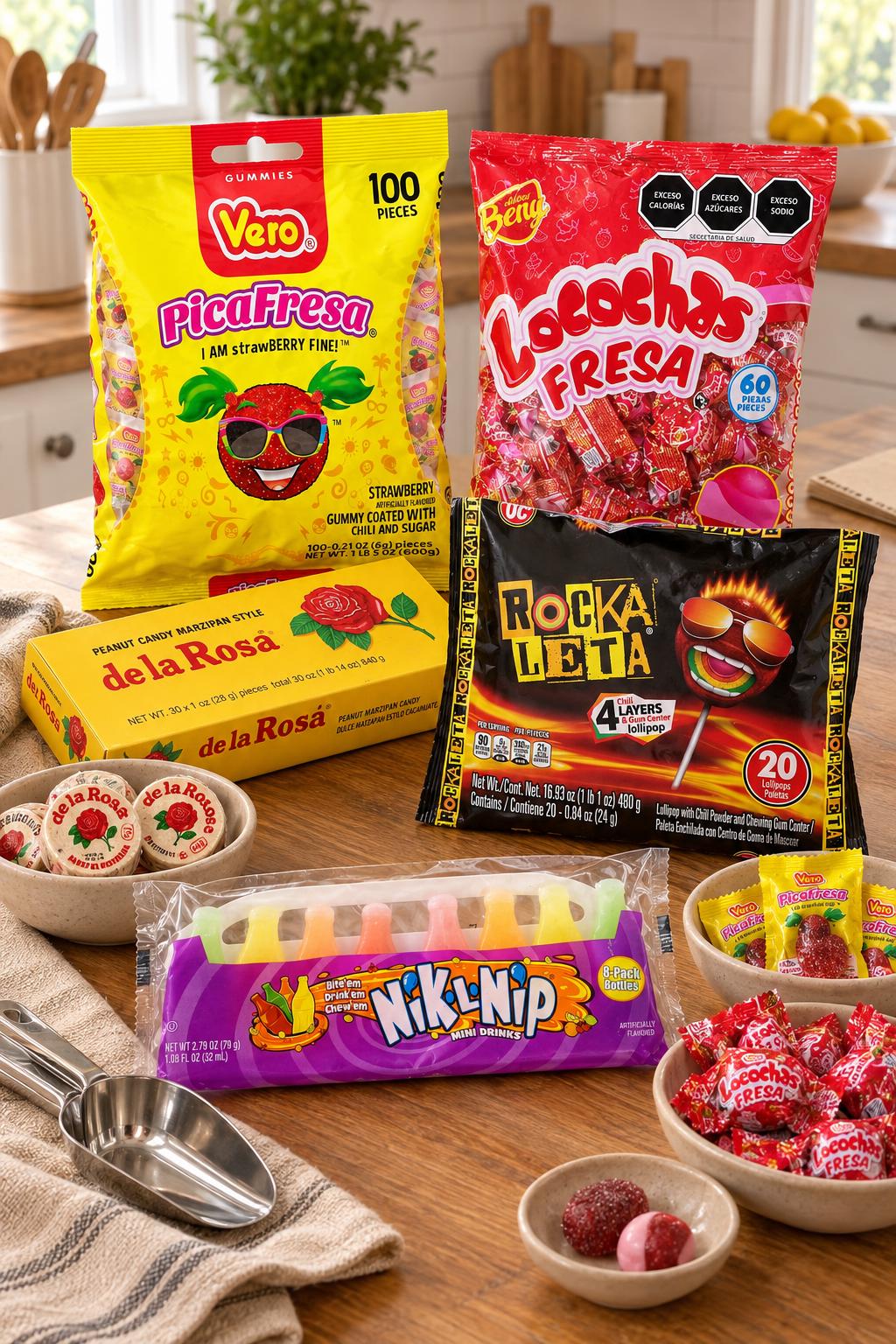
Are people grabbing one piece on the way out, snacking for two hours, filling favor bags, or using the candy as a table centerpiece? Those are different jobs. For this guide, I am looking at real Snack Rack City products with visible count logic, like Vero PicaFresa Strawberry Gummy 100pcs, De La Rosa Mazapan Original 30pcs, and lollipops that slow people down. Count matters, but behavior matters more.
I am also assuming the candy is part of a real spread, not a laboratory. People may have drinks, cake, salty snacks, or dinner nearby. Candy does not need to feed the whole room by itself unless you are deliberately making it the main event.
Shop the guide
 Reading How Much Candy Do You Need for 10, 20, or 30 People? Start with Vero PicaFresa Strawberry Gummy 100pcs, then keep building from the same flavor lane.
Vero PicaFresa Strawberry Gummy 100pcs
Shop sour candy
Reading How Much Candy Do You Need for 10, 20, or 30 People? Start with Vero PicaFresa Strawberry Gummy 100pcs, then keep building from the same flavor lane.
Vero PicaFresa Strawberry Gummy 100pcs
Shop sour candy
The Rule I Trust More Than Exact Math
I use a simple rule: one reliable shared candy, one slower candy, and one contrast if the group is bigger than a handful of people. Reliable means the product can handle repeat grabs. Slower means it will not vanish in the first ten minutes. Contrast means the table does not feel like six versions of the same chew. This is not fake precision; it is how people actually snack.
Exact serving claims get silly fast because groups behave differently. Ten kids after pizza are not the same as ten adults at an office counter. Twenty people passing a bowl during a movie are not the same as twenty people taking one wrapped candy after a meeting. The useful question is not, "What is the perfect amount?" The useful question is, "What product covers the group without making the table boring or messy?"
I also separate candy that gets counted from candy that gets grazed. A lollipop or creamy cup is easy to count because one person usually holds one. A bowl of small gummies is different. People come back, take a few more, talk, forget they already had some, and reach again. That is normal party behavior, so the plan should allow for it instead of pretending every guest eats exactly one piece.
For 10 People, Keep It Tight
For 10 people, I would not overbuild. One strong count product can be enough if the candy is easy to portion and the event is short. A 30-piece box gives you obvious room for more than one piece per person, while a 20-count lollipop pack gives you a clean one-per-person plan with extras. That is usually better than opening four unrelated bags and pretending the table got more useful.
De La Rosa Mazapan Original 30pcs makes sense when you want a calmer, individually portioned sweet that feels different from gummies. If the group is more active or casual, Sonrics Rockaleta Lollipops 20ct gives the snack more time. Lollipops are useful because they slow the reach. People are holding one candy instead of grabbing five pieces without noticing.
The only time I add more for 10 people is when the candy is part of the activity. A taste-test table, movie night, or birthday setup needs more variety than a small office bowl. Even then, I would rather add one different texture than another version of the same candy. Ten people can enjoy a tight selection when the roles are clear.
For 20 People, Add a Second Job
For 20 people, I want at least two candy jobs covered. One product should be the dependable shared piece. The other should change the eating pace, texture, or mood. This is where a big-count fruit candy plus a slower product works better than two gummy bags that behave the same way. A group of 20 has mixed tastes even when everyone says they are easy.
Beny Locochas Fresa Strawberry 60pcs can cover the bright, shareable role. It gives you a large count, strawberry direction, and a sweet-spicy personality without needing every guest to commit to a full-size candy. I would put it beside a slower or softer option, not beside another chile-strawberry piece doing the same job. That second product is what keeps the table from feeling repetitive.
This is also the point where packaging starts mattering more. If people are walking around, wrapped or clearly portioned candy is easier than an open bag that needs constant attention. If everyone is sitting at one table, a bowl can work. The same product can be smart or annoying depending on how people are physically eating it.
Quick cart path
Use these article picks as the buying shortcut instead of searching the whole store.
Vero PicaFresa Strawberry Gummy 100pcs Beny Locochas Fresa (Strawberry) 60pcs
 De La Rosa Mazapan Original 30pcs
For 30 People, Stop Trusting One Bag
For 30 people, one bag can technically contain enough pieces and still be the wrong plan. The problem is not only quantity. It is crowd behavior. If there is only one candy, the first people decide the pace for everyone else. If the candy is tiny and easy to grab, it can disappear faster than the count suggests. If it is too intense, half the group may ignore it.
This is where Vero PicaFresa Strawberry Gummy 100pcs becomes useful. The count gives you room, and the strawberry-chile gummy format gives the table a clear personality. But I would still pair it with something slower or creamier for a group of 30. A big bag can be the base. It should not have to carry the whole event alone.
For 30, I also plan for the second half of the event. Candy that looks full at the start can look tired once the easy pieces are gone. A second format lets you refresh the table without opening a totally new pile of random candy. That makes the setup feel deliberate from the first guest to the last one leaving.
Use Slow Candy to Protect the Table
Slow candy is underrated for groups. A lollipop, creamy cup, or novelty piece can keep the table from becoming a free-for-all. It gives people a snack that takes time, which quietly protects the rest of the spread. This is not about being stingy. It is about matching the candy to the event so the first five people do not accidentally finish the best thing.
Ricolino Duvalin Tri Sabor 18pcs works as a softer, creamier contrast when the rest of the table is fruit, chile, or lollipops. I would not use it as the only candy for 30 people. I would use it as the product that makes the table feel more thoughtful. One creamy option can make the whole selection feel less one-note.
Slow candy also helps with fairness. If every product is a quick grab, confident snackers take more and quieter guests get whatever is left. When at least one product takes time, the table naturally spreads out.
Novelty Candy Is a Spice, Not the Base
Novelty candy can make a group setup memorable, but I do not build the whole table around it unless the event is specifically about trying weird candy. Most groups need one playful item, not five. That way people get the surprise without the practical problem of every product needing explanation, cleanup, or a second look before anyone knows how to eat it.
Nik-L-Nip Mini Drinks 8 Pack is the kind of novelty product I would use as a small highlight, especially for a table that already has a reliable count candy. It brings color and a retro format, but the 8-pack count tells you it is not the main coverage plan for a 30-person group. It is the conversation piece.
Do Not Buy Six Candies With the Same Job
The most common group-candy mistake is buying variety that only looks like variety. Six fruit gummies are not six jobs. They are one job with six wrappers. The table may look colorful for a minute, but once people start eating, the choices collapse into the same texture and same pace. That is when the candy feels random, even if the total piece count was technically fine.
A better mix uses different behavior: a big-count gummy for easy sharing, a lollipop for time, a creamy cup for softness, a crumbly peanut candy for a calmer sweet, and a novelty item for surprise. You do not need all of those every time. But you should know which job each product is doing before you buy it. If two products answer the same need, one can probably wait.
This is where I get picky about flavor overlap. Strawberry and tamarind can both be useful, but not if every item has the same sweet-spicy rhythm. Creamy, crunchy, chewy, slow, and novelty formats create real choice. The group may not use those words, but they feel the difference when the table gives them more than one kind of bite.
My Practical Group Plan
For 10 people, I would choose one count-friendly product and maybe one small contrast if the event is longer. Mazapan plus Rockaleta is cleaner than a crowded table. For 20 people, I would use a larger shared candy like Beny Locochas Fresa or PicaFresa, then add something slower such as lollipops or Duvalin. For 30 people, I would make the big-count product the base and add at least two different eating styles.
I would also keep one unopened backup nearby for longer events instead of dumping everything out at once. That keeps the table looking fresh and gives you control if the group eats faster than expected.
My honest SRC answer is this: do not ask one product to solve every group problem. Use count to avoid running short, then use format to keep the table interesting. A 100-piece gummy bag, a 20ct lollipop pack, and an 18ct creamy box do very different work. That difference is what makes the candy feel planned instead of guessed.
Turn this read into a cart

Start with 6 linked picks from this guide, then add one safe pick and one discovery pick so the order has range.
Shop sour candyFeatured Products


Related Reads
- Candy Value Math: Price Per Piece vs Flavor Variety
- Imported Candy Labels: Shop Smarter Without Guessing
- How to Pack a Candy Care Package Without Crushed Snacks
Frequently Asked Questions
How much candy do I need for 10 people?
For 10 people, I would usually start with one count-friendly product and one smaller texture change. A 20ct, 30ct, or larger bag can work if the candy is easy to share and the group is not expecting a full dessert table.
How much candy do I need for 20 people?
For 20 people, I like using at least two different formats. One larger-count candy covers the easy grab, while a lollipop, creamy cup, or novelty pack gives the table a reason to feel planned.
How much candy do I need for 30 people?
For 30 people, do not rely on one small bag unless it is only an add-on. Use one strong count pack, then add a second format so guests are not all reaching for the same bite.
Is piece count the same as serving count?
No. Piece count tells you how many pieces are in the package, not how many pieces each guest will want. Stronger flavors, lollipops, and interactive candy usually move more slowly than small gummies.
What candy formats are easiest for groups?
Individually wrapped pieces, lollipops, gum, and candy with clear piece counts are easiest to plan. Open gummy bags can still work, but they need a serving bowl or portion plan.
Should I buy one big candy pack or several smaller ones?
Buy one big pack when you know the flavor fits the group. Buy several smaller formats when the group is mixed or you want sweet, spicy, creamy, and novelty options on the same table.
Save this guide for later