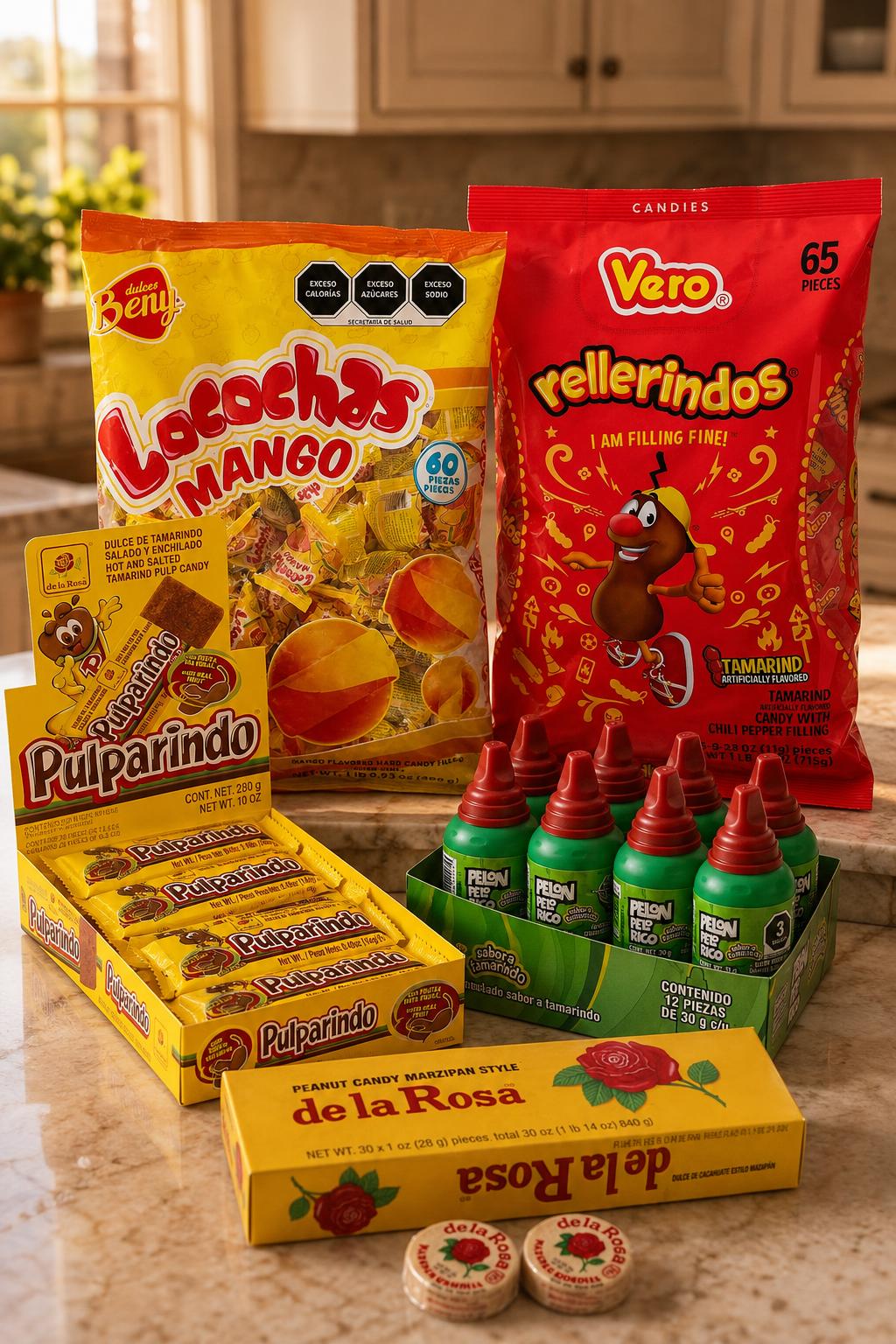
Candy Value Math: Price Per Piece vs Flavor Variety
Quick answer: The best candy value is not always the lowest price per piece. I look at big-count Mexican candy packs against smaller, more varied formats so you can decide what actually earns space in your next SRC order.
The Honest Value Question
I do not think candy value is as simple as grabbing the biggest package and calling it smart. That works for napkins, maybe. Candy is different because the actual win is not just how many pieces land in your hand. It is whether people want the second piece, whether the flavor still feels good after the first hit, and whether the format fits the way you actually snack.
When I look at Beny Locochas Mango 60pcs next to Pelon Pelo Rico Tamarind 12pcs, I am not asking which one has the larger number on the package. That part is obvious. I am asking what kind of value each one gives. One is built for repeatable, individually wrapped mango candy. The other is an interactive tamarind squeeze candy that feels more like an event than a quick grab. Same general world, totally different job.
So this is my real test: price per piece matters when you already know the product will get finished. Flavor variety matters when you are still exploring, serving mixed tastes, or trying to make a small spend feel bigger than it is. If you judge every candy by the same math, you end up with a lot of technically efficient snacks that nobody is excited to reach for.
Shop the guide
 Reading Candy Value Math: Price Per Piece vs Flavor Variety? Start with Beny Locochas Mango 60pcs, then keep building from the same flavor lane.
Beny Locochas Mango 60pcs
Shop Mexican candy
Reading Candy Value Math: Price Per Piece vs Flavor Variety? Start with Beny Locochas Mango 60pcs, then keep building from the same flavor lane.
Beny Locochas Mango 60pcs
Shop Mexican candy
When Price Per Piece Actually Wins
Price per piece is useful when the candy has a clear repeat job. A good example is Vero Rellerindos Tamarind 65pcs. The point is not novelty every time. The point is having a lot of individually portioned tamarind pieces ready for people who already like that sweet, tangy, chile-adjacent flavor profile. If that is your crowd, the count works hard.
The same idea applies to De La Rosa Mazapán Original 30pcs. Mazapán is not a random filler candy. It has a specific peanut sweetness and a soft, crumbly texture. If you buy it for people who already like that texture, the box makes sense. If you buy it for someone who expects chewy gummies, the value falls apart even though the count looks strong.
That is where cheap and useful separate. A bigger count is the better choice when the candy is familiar enough, individually portioned enough, and easy enough to share without explaining it for five minutes. For offices, family snack shelves, and people who already know their favorite Mexican candy flavors, piece count can be the cleanest value signal. You are paying for repeat access, not discovery.
When Variety Is the Better Spend
Variety starts winning when the main risk is boredom. If you already have one tamarind product, adding three more that eat the same way is not smart value. It is just more of the same. That is why I like comparing format before flavor. A bar, a squeeze candy, a wrapped piece, and a peanut candy do different work even when several of them live in the Mexican candy section.
Take Pulparindo Original 20pcs. It is a tamarind bar format, so it gives you a more direct chew than a wrapped hard candy or a squeeze tube. Put that beside Pelon Pelo Rico and the value conversation changes. You are not just asking which has more pieces. You are asking whether you want a cleaner bar experience or a more playful tamarind paste experience.
That difference matters if you are shopping for first-timers. I would rather give a new Mexican candy shopper a tighter group of clearly different formats than a giant pile of one thing they might not understand yet. The smaller count can feel more valuable because it teaches you faster. You find your preferred texture, your heat comfort, and your sweetness level without being stuck with sixty pieces of a guess.
The Five-Product Value Check
If I were comparing value without pretending all candy is identical, I would group these five products by job. Beny Locochas Mango 60pcs is the bright fruit pick with a big sharing count. Vero Rellerindos Tamarind 65pcs is the wrapped tamarind option when you want a lot of pieces in one direction. Pulparindo Original 20pcs is the bar format that gives tamarind more chew and focus.
Then I would use Pelon Pelo Rico Tamarind 12pcs as the fun-format test. It has fewer pieces than the big bags, but each one has more personality. Finally, De La Rosa Mazapán Original 30pcs gives a completely different texture and a peanut-sweet break from fruit and tamarind.
That is the part people miss when they only count pieces. A 60-piece mango bag and a 12-piece Pelon tray should not be graded like they are doing the same job. One stretches sharing. One stretches attention. If you want the best value, decide which kind of stretch you need before the price math starts bossing you around.
Quick cart path
Use these article picks as the buying shortcut instead of searching the whole store.
Beny Locochas Mango 60pcs Vero Rellerindos Tamarind 65pcs
 Pulparindo Original 20pcs
How I Decide Without Overthinking
My first question is always, who is eating this? If it is mostly one person with a known favorite, I lean toward count. If it is a mixed table, a family shelf, or a first-time tasting night, I lean toward contrast. The wrong big package is not value. It is storage with branding.
My second question is mess. Wrapped candies are usually easier for loose sharing. Bars are straightforward but need people who like that texture. Squeeze candies are memorable, but they ask for a little more attention. Mazapán is delicious to the right person, but the crumbly texture means I would not hand it to someone over a keyboard and pretend I solved snacking.
My third question is flavor weight. Mango candies can be easy to keep reaching for. Tamarind can be more intense, especially when the candy leans tangy or spicy. Peanut sweetness can calm the whole selection down. A smart value order should not hit the same note over and over. It should give you a few reasons to come back without feeling like you bought duplicates in different wrappers.
I also check how easy the product is to explain. Some candy sells itself the second someone sees the flavor. Some candy needs a little context, and that is fine, but it changes the value math. A big count of unfamiliar candy is only helpful if the people eating it are curious enough to try more than one piece. If they are not, the better move is a smaller, clearer format that lets them learn without feeling cornered.
What the Spreadsheet Misses
A spreadsheet can divide price by pieces. It cannot tell you whether the first bite feels exciting, whether the texture makes sense for the room, or whether the product will still sound good next week. That is why I do not trust value math by itself. It is a starting point, not the judge.
There is also a big difference between piece count and eating pace. A small candy that hits harder can last longer than a larger pile of candy people snack through without noticing. Tamarind, chile, peanut, and strong fruit flavors usually slow people down because there is more going on. That does not make them better for everyone. It just means the number printed on the package is only one part of the real serving story.
The best value picks usually do one job clearly. Beny Locochas gives bright mango sharing. Rellerindos gives a long run of tamarind pieces. Pulparindo gives a bar-style chew. Pelon gives interaction. Mazapán gives a crumbly peanut-sweet break. When every product has a reason to exist, the order feels smarter without needing fake bargain language.
Best Choice by Shopper Type
For the shopper who wants the most shareable fruit pick, I would look hard at Beny Locochas Mango 60pcs. It gives you a clear flavor, a generous count, and an easy reason to keep the bag around for groups. For the tamarind regular who already knows the flavor is the point, Vero Rellerindos Tamarind 65pcs is the cleaner value play because you are buying depth of supply, not a sampler lesson.
For someone who wants a tamarind bar experience, Pulparindo Original 20pcs makes more sense than forcing every tamarind craving into a wrapped candy or squeeze format. For someone who wants the candy to feel fun and interactive, Pelon Pelo Rico Tamarind 12pcs earns its spot even with the smaller count. You are paying for the format as much as the flavor.
For the calmer sweet break, I would put De La Rosa Mazapán Original 30pcs in the conversation. It is not trying to act like a gummy, a lollipop, or a chile fruit candy. It is peanut-forward, soft, and crumbly. That makes it useful when every other option in front of you is loud, sticky, sour, or fruit-heavy.
My Bottom Line
If you already know the flavor and format will get eaten, price per piece is the stronger value signal. Go for the bigger count and enjoy the fact that you made a practical decision. If you are still learning, buying for mixed tastes, or trying to make a small budget feel more interesting, variety beats raw count. A smaller product that teaches you what you like is worth more than a huge box that sits there making you feel responsible.
My favorite middle ground is choosing one high-count product, one texture change, and one stronger personality product. That might mean Beny Locochas Mango for fruit-and-share value, Pulparindo Original for bar-style tamarind, and Pelon Pelo Rico for the fun-format piece. If peanut candy belongs in your house, Mazapán gives the whole order a completely different role without pretending to be another fruit candy.
The point is not to spend like a spreadsheet. The point is to spend like somebody who plans to actually eat the candy. Count the pieces, yes. Then ask whether those pieces give you enough contrast, enough repeat appeal, and enough real snacking usefulness. That is the candy value math I trust.
Turn this read into a cart

Start with 5 linked picks from this guide, then add one safe pick and one discovery pick so the order has range.
Shop Mexican candyFeatured Products

Related Reads
- Candy Reorder Value: Which Picks Still Feel Worth It
- Tamarind Candy Formats Compared: Bars, Pulps, Gummies
- How to Pick Candy That Does Not All Taste the Same
- Imported Candy Labels: Shop Smarter Without Guessing
Frequently Asked Questions
Is price per piece the best way to judge candy value?
It helps, but it is not the whole answer. Price per piece matters most when every piece solves the same job, like sharing or keeping a desk jar filled. If the pieces all feel identical after two snacks, flavor and format variety may be the better value.
Which SRC products are best for a high piece count?
For this guide, I would start with Beny Locochas Mango 60pcs, Vero Rellerindos Tamarind 65pcs, De La Rosa Mazapán Original 30pcs, and Pulparindo Original 20pcs because the package counts are clear and the formats are easy to portion.
When should I choose variety instead of the biggest count?
Choose variety when you are still learning what you like, buying for mixed tastes, or trying to avoid a full box of one flavor that only one person loves. A smaller count can be smarter if the eating experience is more different.
Are Mexican candy multipacks good for sharing?
Many are, especially individually portioned boxes and bags. I still look at mess level, flavor intensity, and how easy the piece is to hand out before calling something a good sharing pick.
Do higher-count candy packs always last longer?
Not always. A large count can disappear fast if the pieces are tiny or if the flavor is easy to snack through. Stronger tamarind, chile, or peanut candy may last longer because people naturally slow down.
How many value-focused candy products should I compare at once?
Five is plenty for a useful decision. That gives you enough contrast across piece count, texture, and flavor intensity without turning the choice into a messy spreadsheet.
Save this guide for later