Why Salt Makes Mexican Candy Hit Harder Than Sweet
Quick answer: Salt is not filler in Mexican candy. It sharpens fruit, stretches sourness, makes chile feel cleaner, and keeps a cart from tasting like flat sugar.
Shop the guide
 Reading Why Salt Makes Mexican Candy Hit Harder Than Sweet? Start with Lucas Muecas Chamoy 10pcs, then keep building from the same flavor lane.
Lucas Muecas Chamoy 10pcs
Shop sour candy
Reading Why Salt Makes Mexican Candy Hit Harder Than Sweet? Start with Lucas Muecas Chamoy 10pcs, then keep building from the same flavor lane.
Lucas Muecas Chamoy 10pcs
Shop sour candy
Salt is the difference between loud and flat
The easiest way to misunderstand Mexican candy is to treat salt like background noise. In a lot of American candy, salt shows up quietly, usually to keep chocolate or caramel from tasting too heavy. In Mexican candy, salt is much more direct. It is part of the punch. It makes fruit taste brighter, sourness feel sharper, chile feel cleaner, and tamarind taste deeper instead of just sticky.
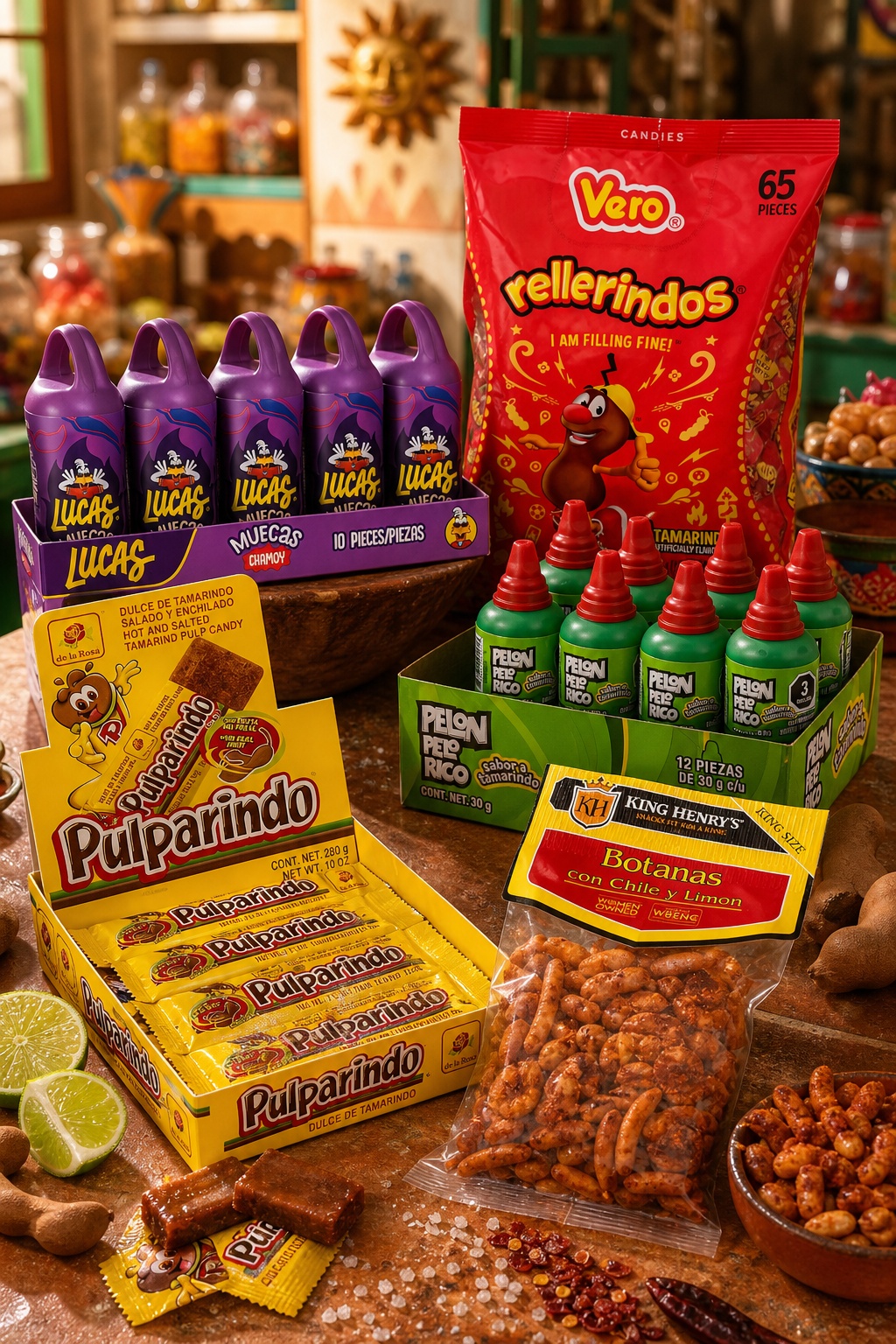
That is why plain sweet candy can start feeling tired after a few bites. Sugar is nice, but sugar by itself does not give the flavor much movement. Salt creates contrast. It pulls your mouth back into the bite and makes you notice the next layer. That is the reason Lucas Muecas Chamoy 10pcs feels more alive than a normal lollipop. You are not just tasting sweet candy. You are tasting sweet, salty, sour, chile, and chamoy in cycles.
You can feel the same thing with fruit outside of candy. Mango with lime and chile salt tastes more complete than plain mango because the salt wakes up the fruit. Mexican candy borrows that same street-snack logic and puts it into bars, lollipops, gummies, powders, and squeeze candy. That is why the category feels less like dessert and more like a full snack language.
The practical shopping lesson is simple: if a product includes salt, do not assume it is there by accident or only there for shock value. Ask what it is supporting. In the best SRC Mexican candy picks, salt supports fruit, tamarind, chile, lime, or peanut. That tells you more about the bite than the front-of-bag heat claim, and it keeps you from buying five products that all solve the same craving before you checkout today.
Tamarind needs salt more than sugar needs it
Tamarind is already doing a lot before chile even enters the room. It is tangy, dark, fruity, a little earthy, and naturally sour in a way that does not taste like fake blue dust. Salt is what keeps that flavor from turning heavy. In Pulparindo Original 20pcs, the salt gives the tamarind a backbone. Without it, the candy would slide too far into sticky fruit paste. With it, every chew has a cleaner snap.
That is also why Vero Rellerindos Tamarind 65pcs works so well as a slower candy. The hard shell gives you time, then the tamarind center brings that salty-sour pull that makes the whole thing feel less like a sweet and more like a tiny flavor progression. It unfolds instead of dumping everything at once.
This is also why I trust tamarind candies as cart anchors. They do not need novelty packaging to explain themselves. Put Pulparindo next to a normal fruit chew and the difference is obvious: one is sugar wearing a fruit costume, and the other has acidity, salt, chew, chile, and a finish that actually hangs around.
If you are trying to learn Mexican candy, this is one of the first lessons I would pay attention to. Tamarind candy is not good because it is strange. It is good because the sour, sweet, salty, and chile parts keep correcting each other until the bite feels balanced in a way plain fruit candy usually does not.
Chamoy is built on the same tension
Chamoy is where people really start to understand why salt matters. Bad chamoy tastes like sweet red syrup with a little heat pretending to be personality. Good chamoy has tension. It is fruity, sour, salty, and spicy all at once, and none of those parts should fully behave. That is why Lucas Muecas Chamoy is a better teacher than most loose powder candies. The lollipop slows the chamoy powder down so you can actually taste the push and pull.
I like it for beginners because it gives you control. Dip lightly and it stays playful. Go heavy and the salt, chile, and sourness start crowding the fruit. That is useful because it teaches your tolerance without forcing you into one giant hit. It also proves that salty candy does not have to mean punishing candy. It can be interactive, paced, and still full of attitude.
The best chamoy candies also avoid the fake-fruit trap. They do not just say mango, watermelon, or chamoy on the label and hope sugar does the rest. The salt makes the fruit read brighter, then the acid and chile make the finish feel awake. That is the part people start craving once regular candy feels too smooth.
The salty-sour lane keeps your cart from blurring together
A Mexican candy cart with only sweet items can still be good, but it will usually blur together faster. That is why I like adding something salty-sour even when the order is not supposed to be a heat challenge. Pelon Pelo Rico Tamarind 12pcs is perfect for this because the format is playful, the tamarind is tangy, and the salt keeps the squeeze candy from becoming one-note. It is weird in the best practical way.
Then I want a snacky reset, and that is where King Henry's Botanas Con Chile y Limon makes sense. It is not candy in the strictest dessert sense, but that is exactly why it helps. Chile-lime crunch gives your mouth a break from soft sugar while staying in the same flavor family. It makes the sweet candy around it taste better because it breaks the rhythm.
That reset matters more than people think. If every product is soft, sweet, and sticky, the fifth bite starts tasting like the first one with less excitement. Add crunch, salt, lime, and chile, and suddenly the next tamarind candy tastes sharper again. A good cart should manage your palate, not just fill a box.
That is my main cart-building rule: do not make every product prove the same point. A salty tamarind squeeze, a chamoy lollipop, and a crunchy chile-lime snack do different jobs. Put them next to each other and the whole order feels more intentional.
Quick cart path
Use these article picks as the buying shortcut instead of searching the whole store.
Lucas Muecas Chamoy 10pcs Pulparindo Original 20pcs
 Vero Rellerindos Tamarind 65pcs
Mild candy still belongs in a salty cart
The mistake is thinking a salty Mexican candy cart has to be all intensity. It does not. You need contrast, and sometimes contrast means something gentle. De La Rosa Mazapan Original 30pcs is the mild anchor I trust because it shows another side of the category: crumbly peanut sweetness, no chile performance, no sour dare, no need to prove anything.
Mazapan works next to salty candy because it resets your expectations. After Lucas, Pulparindo, or Pelon, that soft peanut crumble tastes calmer and more comforting. Then when you go back to chamoy or tamarind, the salt hits brighter again. That back-and-forth is what makes a cart feel smart instead of random.
This is also how I would shop for a mixed group. Not everybody wants the same level of chile, and forcing the whole cart to be spicy is lazy. A mild sweet gives nervous eaters somewhere to start and gives confident eaters a break between stronger products. That keeps the order generous instead of turning it into a dare.
If someone says they do not like spicy candy, I would still build them a cart with salt in it. I would just control the format. Give them Mazapan, Pelon, Lucas Muecas with a light hand, and maybe one Rellerindos. That lets them learn the flavor logic without feeling like the whole order is trying to scare them.
My salty Mexican candy order from SRC
If I were building one SRC order around salt in Mexican candy, I would keep it focused: Lucas Muecas Chamoy for interactive chamoy, Pulparindo Original for chewy tamarind depth, Pelon Pelo Rico for the weird squeeze format, Vero Rellerindos for slow hard-candy pacing, King Henry's Botanas Con Chile y Limon for crunch, and De La Rosa Mazapan so the cart has a mild landing pad.
- Start with Lucas Muecas if you want the clearest salty-chamoy lesson.
- Start with Pulparindo if tamarind sounds more interesting than lollipop powder.
- Add Botanas when you want the order to feel less like pure candy and more like a snack spread.
- Keep Mazapan nearby if you want a sweet reset that does not fight the stronger flavors.
That mix explains the whole idea fast. Salt is not there to make candy taste less sweet. It is there to make the sweet part worth paying attention to. Once you taste that, plain sugar starts feeling a little too quiet.
Turn this read into a cart

Start with 6 linked picks from this guide, then add one safe pick and one discovery pick so the order has range.
Shop sour candyFeatured Products


Related Reads
- Tamarind vs Chamoy: The Mexican Candy Flavor Debate, Finally Settled
- Best Spicy Candy Ranked: 10 Heat-Packed Treats That Actually Deliver
- Sour Candy Showdown: Every Level Ranked from Mild to Wild
- Mexican Candy Gift Box: How to Build the Perfect Present (2026 Guide)
Frequently Asked Questions
Why is salt used in so much Mexican candy?
Salt makes fruit, tamarind, chamoy, sourness, and chile taste louder without needing more sugar. It gives the candy a cleaner finish and more bite.
Does salty Mexican candy always taste spicy?
No. Some salty candies are spicy, but others lean sour, tangy, nutty, creamy, or fruit-forward. Salt is a flavor tool, not a heat guarantee.
What is the best first salty Mexican candy to try?
Lucas Muecas Chamoy is a smart first pick because the lollipop controls the powder. Pulparindo Original is better if you want tamarind right away.
Is chamoy salty or sweet?
Good chamoy is both, plus sour and chile-fruity. That balance is the point. If it tastes only sweet, it usually feels flat fast.
What should I buy if I do not like intense heat?
Start with De La Rosa Mazapan, Pelon Pelo Rico, or a paced lollipop like Lucas Muecas. Avoid extra spicy products until you know your lane.
How do I build a better Mexican candy cart?
Use contrast: one salty-chamoy item, one tamarind item, one mild sweet, one chewy or hard candy, and one snacky chile-lime reset.
Save this guide for later